


The Calculated Silence: Why Financial Literacy Isn't Taught in Schools
Ever wonder why you learned about mitochondria in high school but not how to invest a 401k? It’s not an accident. A friend of mine, a sharp engineer pulling $130,000 in Seattle, still thought "diversification" meant buying different tech stocks. She’s not alone. Most ambitious professionals graduate knowing squat about money, despite financial woes being the biggest stressor for 60% of US adults, according to a 2023 Federal Reserve survey. This isn't just an oversight. The vast financial education gap we see isn't random; it's a feature of a system designed to keep you financially dependent. We're going to expose who truly profits from this systemic financial illiteracy and the deliberate withholding of essential money skills.The Architects of Ignorance: Who Profits from Financial Illiteracy?
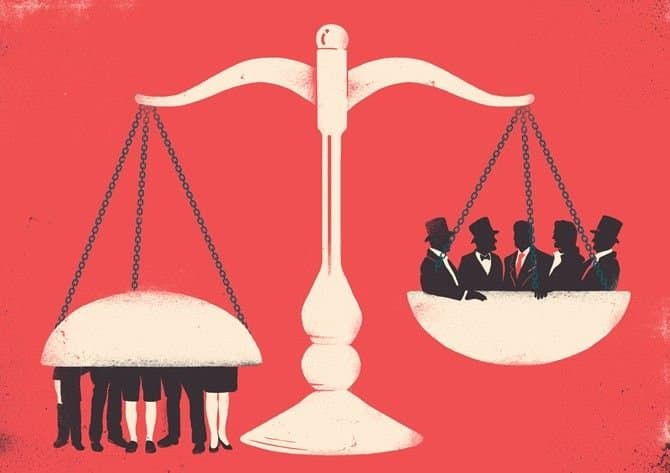
The idea that no one profits from widespread financial illiteracy is naive. A vast, multi-billion dollar industry thrives when you don't understand how money actually works. This isn't just about individual failings; it's a systemic choice, driven by powerful entities with deep pockets. So, who are these architects of ignorance? * **Credit Card Companies:** They make billions from interest payments and fees. When you carry a balance, they win. The average credit card APR in the US currently sits around 21.47%, according to Federal Reserve data from February 2024. Most people don't grasp how quickly a 20%+ interest rate compounds against them, especially if they only make minimum payments. That's how total US credit card debt swelled to over $1.13 trillion by Q4 2023. * **Predatory Lenders:** Think payday loans, title loans, and cash advances. These operations target financially vulnerable communities and individuals with exorbitant interest rates, often 300% to 400% APR. They trap borrowers in cycles of debt, knowing that many lack the education to find alternatives or understand the true cost. * **Certain Investment Firms and Financial Advisors:** Not all, but some push complex, high-fee products that benefit the firm more than the client. They might sell you an actively managed mutual fund with a 1.5% expense ratio when a low-cost index fund could deliver similar or better returns for 0.03%. Over 30 years, that 1.47% difference could cost you hundreds of thousands of dollars in lost growth. Are they really advising your best interest, or theirs? This isn't just a byproduct of the market; it’s a deliberate design. The financial services sector spends colossal sums on lobbying efforts, actively influencing policy and stifling initiatives that would mandate robust financial education in schools. According to OpenSecrets, the finance, insurance, and real estate industries spent over $512 million on lobbying in 2023 alone. They advocate for weak consumer protections and a lack of transparency because a financially uneducated populace is their most reliable revenue stream. Why would they kill the goose that lays their golden eggs? They want you confused, dependent, and perpetually paying.The Unseen Cost: How Financial Illiteracy Harms Individuals and Society
Think about how many people you know buried under credit card debt. It's not usually a spending problem; it's a knowledge problem. Without basic financial education, you walk right into cycles of debt that are incredibly hard to escape. We see young professionals take out student loans without understanding compound interest or even simple repayment terms. This isn't just a minor inconvenience; it delays major life milestones, pushing back homeownership by years, even decades. That financial stress bleeds into everything. It impacts your relationships, your mental health, and your career focus. You miss out on the incredible power of compounding investments for retirement. Imagine starting your retirement savings at 25 versus 35. That ten-year gap, even with modest contributions, can cost you hundreds of thousands of dollars. The longer you wait, the harder it gets to catch up, creating a perpetual scramble for financial stability rather than growth. This individual struggle scales up fast. When millions are stuck in debt, delaying major purchases, and under-saving, it creates a massive drag on the economy. The wealth gap widens because those with financial knowledge accumulate assets, while those without fall further behind. According to the Federal Reserve's 2023 Survey of Consumer Finances, 37% of Americans couldn't cover an unexpected $400 expense with cash or its equivalent. That's more than a third of the population living on the edge, vulnerable to any minor setback. This isn't just about personal finance challenges. It's about social mobility. If you're born into a family with limited financial literacy, you're far more likely to repeat those patterns, regardless of your ambition. The system perpetuates economic inequality, making it harder for people to climb the ladder, no matter how hard they work. Eventually, this leads to a greater reliance on government safety nets, putting strain on public resources. Consider mortgages. Many first-time homebuyers jump into adjustable-rate loans or loans with hidden fees because they don't understand the fine print. They're sold on low initial payments without grasping the long-term costs. Or they fail to account for property taxes and insurance. That lack of understanding often leads to foreclosures, personal bankruptcies, and destroyed credit scores. It’s a cascading failure, all starting with an information deficit. Does anyone truly believe this widespread ignorance is accidental?Beyond the Classroom: Essential Financial Skills Everyone Needs to Master
You probably spent years learning algebra and Shakespeare in school, but how many hours did you spend on your 401k? Exactly. The system doesn't teach you what you actually need to know about money. So, if you want to build wealth and avoid being a financial casualty, you'll have to teach yourself. Here are the non-negotiable skills you must master.
Budgeting Isn't a Straightjacket — It's Your Money GPS
Most people think budgeting means cutting out lattes. That's a myth. Budgeting isn't about restriction; it's about control. It's knowing exactly where every dollar goes so you can direct it with purpose, instead of wondering where your paycheck vanished two weeks early.
You need a system. Try the 50/30/20 rule: 50% of your take-home pay for needs (rent, groceries), 30% for wants (dining out, entertainment), and 20% for savings and debt repayment. Or use a tool like YNAB (You Need A Budget), which costs around $14.99/month but forces you to assign every dollar a job. I tracked my spending for a month once and found I was blowing $400 on impulse Amazon buys. That money now goes into my investment account.
Debt: Friend or Foe? The Interest Rate Decider
Not all debt is evil. A mortgage on a house that appreciates is often "good debt." A student loan for a high-ROI degree can be too. But credit card debt? That's financial quicksand. Consumer credit card APRs frequently hit 20-30%. If you carry a $5,000 balance at 25%, you're paying $1,250 in interest every single year just to stand still. That's money you could have invested.
Your credit score—that three-digit FICO number between 300 and 850—dictates how much everything from a car loan to a home loan costs you. Lenders offer their best rates, often called "prime rates," to borrowers with scores above 740. Drop below 670, and you'll pay thousands more over the life of a loan. It's a direct tax on financial ignorance.
Your Future Self Demands Compound Interest
Compound interest is the closest thing to magic in finance. It's interest earning interest, making your money work for you. Say you invest $300 every month starting at age 25, earning an average 8% annual return. By 55, you'll have over $450,000. Wait until 35 to start, and you'll only hit about $180,000 by 55, even though you contributed for just ten fewer years. That decade costs you $270,000.
Don't try to pick individual stocks unless you're a pro. Instead, invest in diversified index funds like an S&P 500 tracker. It's a simple way to own a tiny slice of America's 500 largest companies. According to NYU Stern data, the S&P 500 has returned an average of 10.3% annually since 1926. Max out your tax-advantaged accounts first: a 401k in the US or an ISA in the UK. If your employer offers a 401k match, that's free money you're leaving on the table if you don't take it.
Insurance: The Safety Net You Can't Afford to Skip
Insurance isn't an optional extra; it's a mandatory shield against financial ruin. Think health insurance, auto insurance, home or renters insurance, and even disability or life insurance if you have dependents. One unexpected medical emergency can wipe out years of savings, leaving you buried under a mountain of debt.
Consider the real-world cost: a broken leg can set you back $7,500 or more without health insurance. A car accident could easily mean $20,000 in repairs and medical bills. Insurance is boring, yes, but it ensures that life's inevitable curveballs don't derail your entire financial plan. What's more expensive — a monthly premium or a six-figure hospital bill?
Taxes Aren't Just Annoying — They're Actionable
Your paycheck hits your bank account, but what actually happened between your gross salary and that net deposit? Understanding federal, state, and local income taxes, Social Security, and Medicare deductions empowers you. You can optimize.
Use tax-advantaged accounts like 401ks or ISAs to reduce your taxable income. If you're consistently overpaying taxes throughout the year, you're essentially giving the government an interest-free loan. Adjust your withholdings (W-4 in the US) to keep more of your money in your pocket, where it belongs.
Reclaiming Your Financial Future: Strategies for Self-Education and Advocacy
The system thrives on your ignorance. You've seen the evidence: predatory loans, opaque fees, and financial products designed to confuse, not clarify. But you don't have to play their game. Taking control of your financial education is the most direct strike you can make against those who profit from your lack of knowledge.
It starts with a simple decision: you will learn this. You'll equip yourself with the tools to understand your money, make smart choices, and even fight for better financial literacy for others. This isn't about becoming a certified financial planner; it's about becoming financially bulletproof.
Your Self-Taught Finance Toolkit
Forget waiting for schools to teach you. The best financial education is available right now, often for free or a minimal cost. Start with online resources. Platforms like Khan Academy offer excellent, free courses on everything from personal finance basics to market economics. Coursera and edX host university-level courses, sometimes for free audit, that break down complex topics like behavioral finance or investment strategies.
Reading the right books is non-negotiable. Forget the get-rich-quick fluff. Pick up J.L. Collins' The Simple Path to Wealth for a no-nonsense guide to investing, or Ramit Sethi's I Will Teach You To Be Rich for actionable steps on automating your finances. These aren't just books; they're blueprints. According to a 2023 survey by the FINRA Investor Education Foundation, only 50% of adults could correctly answer four out of five basic financial literacy questions. That widespread knowledge gap isn't accidental—it's an opportunity for you to stand out.
Don't just consume. Apply. Open a dummy brokerage account and practice investing with fake money. Use a budgeting app like YNAB (You Need A Budget) or Mint to track every dollar for a month. See where your cash actually goes. That's real learning, not just theoretical understanding.
Finding a Real Financial Guide
Sometimes, you need a human guide. But choose wisely. Most "financial advisors" operate on commission, meaning they profit more when you buy certain products, not necessarily when you do what's best for you. This creates a huge conflict of interest.
Instead, seek out a fee-only fiduciary. These advisors charge a flat fee or an hourly rate for their advice, and they are legally obligated to act in your best interest. They're more like a financial therapist or coach, helping you clarify goals and build a plan without pushing specific funds. Expect to pay $150-$300 per hour, or a flat project fee of $1,000-$5,000 for a comprehensive plan. It's an investment, not an expense, if you find the right one.
Becoming an Advocate for Change
Your personal finance journey doesn't have to be solitary. What if we collectively pushed back against the system that benefits from ignorance? You can advocate for better financial literacy in your community.
Join your local Parent-Teacher Association (PTA) and push for personal finance to be a mandatory part of the high school curriculum. Talk to your school board members. Present real data on how financial literacy reduces student debt and improves economic outcomes. Imagine if every graduating student understood compound interest or the true cost of credit card debt. That's a powerful shift.
For parents, teaching your children about money isn't just a good idea—it's essential. Start early. Give them an allowance and make them manage it. Explain the difference between needs and wants. Take them grocery shopping and talk about unit prices. Show them a budget. These aren't just lessons; they're life skills that should start at home.
Your Personal Financial Learning Plan
Building financial muscle requires consistent effort. Here's a simple plan:
- Set Specific Learning Goals: Don't just "learn about money." Aim to "understand how to open and manage a Roth IRA by next quarter" or "master basic investment portfolio rebalancing by year-end."
- Dedicate Time Weekly: Block out 1-2 hours every week for financial education. Treat it like a crucial meeting you can't miss.
- Diversify Your Resources: Mix books, podcasts (e.g., The Money Guy Show, ChooseFI), online courses, and reputable financial news outlets.
- Implement Immediately: Don't just read about budgeting; create one. Don't just learn about investing; open an account and put some money in it. Action solidifies knowledge.
- Review and Adapt: Your financial life changes. Revisit your plan quarterly. Are you still learning what you need? Are your strategies working? Adjust course as needed.
The goal isn't just to accumulate wealth. It's to build resilience, protect yourself from financial predators, and reclaim the power that was deliberately withheld. What if the real "financial freedom" isn't about having endless money, but about having endless knowledge?
The Myth of 'Bad Decisions': Why Blaming Individuals Misses the Systemic Problem
You hear it constantly: "They just need to budget better," or "It's simple, don't spend more than you earn." This narrative, that financial struggles boil down to individual poor choices, is a convenient fiction. It lets the real culprits off the hook. It's not always about a lack of willpower; it's often about an uneven playing field designed to keep you financially vulnerable.
Think about the average professional, fresh out of university, maybe carrying $30,000 in student debt. They're smart, driven. Yet, they're immediately bombarded with credit card offers boasting high limits and confusing interest rates. Nobody taught them how to truly dissect an APR or what a revolving balance really means. They might be earning a decent salary, say $60,000, but housing costs in major cities like Toronto or New York eat up 40-50% of that. How exactly do you "budget better" when your core expenses already choke your income?
This isn't just about bad luck. It's about systemic financial issues. Predatory lenders target communities with limited access to traditional banking, offering payday loans with triple-digit interest rates. Mortgage brokers sometimes steer vulnerable buyers into subprime loans with ballooning payments. These aren't isolated incidents; they're business models. The system thrives on the financial illiteracy it helps perpetuate.
We often point fingers at the individual for not saving enough, but what about the decades of stagnant wages against skyrocketing costs for housing, healthcare, and education? According to the Federal Reserve's 2024 Survey of Household Economics and Decisionmaking, 37% of Americans couldn't cover a $400 emergency expense without selling something or borrowing money. That's a staggering figure, showing a widespread financial vulnerability that goes far beyond individual spending habits.
The blame game finance pushes people into cycles of shame and inaction. It tells them their problems are personal failures, not symptoms of a system rigged against them. This narrative conveniently deflects attention from the need for economic justice, better consumer protections, and mandatory, comprehensive financial education starting much earlier.
We need to shift our focus. Yes, individual financial literacy helps, but it’s a tiny bandage on a gaping wound. Real change demands looking at how our financial products are designed, how marketing preys on insecurity, and how economic inequality stacks the deck. It’s not just about empowering you to make better choices—it's about dismantling the traps that make those choices so hard in the first place.
Breaking the Silence: Your Role in a Financially Literate Future
The idea that financial illiteracy is an accident? Forget it. It's a system designed for profit. Industries rake in billions when you don't grasp how money truly works.
You've seen how the system benefits from your confusion—from credit card companies charging 29% APR to investment firms burying fees in opaque prospectuses. But you're not powerless. Your financial empowerment starts now.
According to a 2023 survey by the FINRA Investor Education Foundation, only 30% of Americans could correctly answer four out of five basic financial literacy questions. That knowledge gap isn't just personal; it's a collective opportunity to act.
Read the fine print. Understand compound interest. Demand better. Teach your kids the difference between good debt and bad debt. Advocate for change: push for financial literacy to be a core curriculum, not an afterthought. We break this silence together, not just for ourselves, but for everyone who comes next.
Maybe the real question isn't how we get financially literate. It's why we tolerate a system that profits from our ignorance.
Frequently Asked Questions
Why isn't financial literacy a mandatory subject in US schools?
Financial literacy isn't mandatory in US schools primarily due to curriculum overcrowding and a lack of state-level mandates that prioritize it over core subjects like math or science. Many states also face challenges finding qualified teachers and funding for new educational programs.
Which industries benefit most from a financially uneducated populace?
Industries like credit card companies, payday lenders, and subprime mortgage providers thrive on financial illiteracy. They profit from consumers who don't understand high interest rates, hidden fees, or predatory loan terms, leading to billions in consumer debt annually.
How can I teach myself financial literacy if schools don't?
Start by devouring reputable resources like "The Total Money Makeover" by Dave Ramsey or "I Will Teach You To Be Rich" by Ramit Sethi. Use free online courses from Khan Academy or Coursera, and immediately implement a budget using apps like You Need A Budget (YNAB) or Mint. Aim to dedicate at least 30 minutes daily to learning and application.
What are the long-term societal impacts of widespread financial illiteracy?
Widespread financial illiteracy contributes to massive consumer debt, delayed retirement for millions, and a widening wealth gap. This strains social safety nets, reduces economic mobility, and creates a less resilient economy overall.
Are there any movements or organizations advocating for better financial education?
Yes, organizations like the Council for Economic Education (CEE) and the Jump$tart Coalition for Personal Financial Literacy actively advocate for mandatory financial education in schools. They provide resources, develop curricula, and lobby policymakers to ensure students gain essential money management skills before graduation.













Responses (0 )