



Beyond the Bottle: The Deeper Transformation One Year In
I watched a sharp-witted product manager in Toronto quietly celebrate his one-year sober anniversary. No party, just a club soda across a bistro table. He admitted he thought the 'hard part' was done. He was wrong. The real work, the deeper transformation, had just begun.
This article isn't about the absence of alcohol. It's about what happens next — the profound psychological and social rewiring that defines true alcohol-free transformation. We're going to pull back the curtain on the deeper changes that unfold after this crucial sobriety milestone.
Reaching one year sober is an immense achievement. According to the 2022 National Survey on Drug Use and Health, 29.5 million US adults had alcohol use disorder. Most people see this as a finish line. It's not. It's the starting gun for a new kind of race: understanding yourself without the bottle.
Unmasking the 'Beyond the Bottle' Approach: Your Brain, Body, and Spirit Rewiring
Hitting one year sober isn't just about not drinking. That's a huge win, don't get me wrong. But thinking it's the finish line misses the point entirely. The real work—and the real rewards—start when you shift focus from mere absence to active internal rewiring. This is the 'Beyond the Bottle' approach: recognizing that your brain, body, and spirit aren't just recovering; they're actively rebuilding themselves into something stronger, clearer, and more resilient.
Most people expect to feel "normal" after a year. What they get is an entirely new normal, a deeper transformation that takes time and intention. Your body spent years adapting to alcohol. Now it’s adapting to its absence, which is a constant, ongoing process of neuroplasticity and cellular repair.
Here’s what that deeper rewiring looks like:
- Brain Recovery & Mental Clarity: Your brain isn't just healing; it's getting an upgrade. Chronic alcohol use can actually shrink brain volume, especially in areas vital for memory and executive function. But that damage isn't permanent. According to a 2022 review published in Alcohol and Alcoholism, brain volume in individuals with alcohol dependence can increase by an average of 1.8% after just 6 weeks of abstinence, with further improvements over longer periods. After a year, you’re looking at significantly enhanced clarity, sharper memory, and far better emotional regulation. You think faster, react less impulsively, and your focus? It's like someone finally cleaned the smudges off your mental glasses.
- Physical Health Improvements: Your organs, from your liver to your heart, are still busy repairing. The sustained energy levels aren't just from better sleep—though that's a huge part of it. Your body isn't constantly battling toxins, which frees up immense resources. We're talking improved immune function, stable blood sugar, and skin that actually glows, not just covers up. You'll likely notice you recover from workouts faster, get sick less often, and have stamina for things you used to dread.
- Emotional Recalibration: This is often the most surprising and challenging part. For years, alcohol numbed the edges, blurred the lines. Now, you’re feeling everything, truly feeling it—the good, the bad, and the ugly. This isn't a setback; it's emotional sobriety kicking in. You're developing healthier coping mechanisms, learning to sit with discomfort, and understanding what triggers you without needing to escape. Think of it as building a robust emotional toolkit you never had before.
I watched a friend of mine, Mark, navigate this phase after his first sober year. He worked in finance in London, always on the go. For the first few months, he focused on running, clocking 50k a week. But around 14 months, he hit a wall. He realized he was just replacing one addiction (alcohol) with another (endurance running) to avoid confronting his emotions. He started meditating 15 minutes a day, journaling his frustrations, and for the first time, actually talking about what scared him with a therapist. He hated it at first. Said it felt like "pulling teeth." But within three months, he told me he felt more at peace, more present, than he had in his entire life. He wasn't just sober; he was free.
This 'Beyond the Bottle' approach is about active self-discovery. It's not just about abstaining; it's about building a life so rich and fulfilling that alcohol simply has no place in it. Are you willing to do the internal work required to truly thrive, not just survive?
Reclaiming Your Narrative: Identity, Relationships, and Social Re-engineering
After a year of sobriety, the real shift isn't just the absence of alcohol. It’s the profound, sometimes jarring, transformation of who you are. Your identity, for so long perhaps propped up by alcohol — as the life of the party, the stress-reliever, the default coping mechanism — now demands a complete rewrite. You’re not just "sober"; you're becoming a new person, defined by presence, clarity, and intentional choice. This process is uncomfortable. It’s supposed to be. You're shedding an old skin, and that never happens without friction. This new self inevitably ripples through your existing relationships. Some connections will deepen dramatically. Friends who truly care about you, not just the version of you that drank, will step up. They'll appreciate the real conversations, the present company, the clear eyes. You'll invest energy in relationships offering genuine support, mutual growth, and unfiltered laughter, rather than just shared hangovers. This feels like coming home. Then there are the relationships that won't survive. People who only knew the drinking you, or whose own relationship with alcohol makes your sobriety an uncomfortable mirror, might quietly drift away. This isn't a failure. It's a natural selection process, sometimes painful, but always necessary for your continued evolution. You learn to set firm boundaries. You learn that "no, thanks, I'm not drinking" is a complete sentence, requiring zero apologies. Are you truly ready to let go of what no longer serves you? Building a social life without alcohol means re-engineering your entire approach to connection. This isn't about giving up fun; it's about redefining what fun truly means. You might discover new hobbies, join a hiking group, take an evening pottery class, or explore sober meetups. These activities connect you with people who share genuine interests and values, not just a common bar stool. According to a 2020 study by the American Psychological Association, strong social connections can increase longevity by 50% and significantly reduce the risk of depression and anxiety — a powerful motivator for curating your new social world intentionally. What does this social re-engineering look like in practice? It demands a proactive stance:- Consciously choosing environments: Opt for coffee shops, art galleries, fitness classes, or outdoor adventures over loud bars and crowded clubs. Notice the difference in the air, the conversation, the energy.
- Initiating alcohol-free plans: Suggest a weekend brunch, a board game night, a movie marathon, or a road trip without the implicit expectation of drinking. You'll be surprised how many friends are eager for alternatives.
- Practicing your "no" with conviction: Be firm but polite when offered drinks. A simple "I'm good, thanks" is often enough.
- Seeking out like-minded individuals: Look for communities centered around shared passions, personal development, volunteering, or specific sober groups online and offline.
Cultivating Resilience: Practical Steps for Sustained Growth
Hitting one year sober feels like summiting Everest. You get a moment to breathe, maybe even plant a flag. But the real work? That’s the descent, the careful navigation of new terrain you haven’t mapped yet. True freedom isn't just about abstaining; it's about building an internal fortress against life's inevitable storms, brick by sober brick.
You’ve already proven you can quit. Now, you learn to live a better life without alcohol as a crutch, escape, or celebration. This means actively forging new pathways in your brain, replacing old, destructive habits with conscious, constructive choices. It's less about willpower and more about skill development.
Here’s how to cultivate that lasting resilience:
-
Develop Advanced Coping Mechanisms
The early days were about avoiding triggers. Now, you face them head-on with sophisticated tools. When stress hits—and it will, that promotion, that layoff, that relationship drama isn't going anywhere—you need more than just "don't drink." Practice distress tolerance skills. Try the "TIPP" technique: Temperature (splash cold water on your face), Intense exercise (sprint for a minute), Paced breathing (slow, deep breaths), Paired muscle relaxation. Or lean into radical acceptance for things you can't change. These aren't quick fixes; they're mental muscles you strengthen daily.
-
Set and Maintain Healthy Boundaries
Your sobriety is non-negotiable. That means saying "no" to late-night invites from old drinking buddies, declining events where heavy drinking is the main activity, or even limiting time with family members who don't respect your choices. It feels awkward at first. But a strong boundary isn't about pushing people away; it's about defining your personal space and protecting your peace. A friend of mine, a lawyer in Toronto, started leaving office parties after 9 PM sharp, regardless of who was still there. Her career didn't suffer; her sleep and mental clarity improved dramatically.
-
Pursue New Passions and Purpose
Alcohol took up a lot of space—time, money, mental energy. Now that void exists. Fill it intentionally. Pick up that guitar you always wanted to play. Train for a marathon. Volunteer at a local shelter. When you're genuinely engaged in something meaningful, the pull of old habits weakens. The former CEO of a tech startup I know started a small woodworking business in his garage after getting sober. He says the focus and tangible results gave him a sense of accomplishment he hadn't felt in years, even with his previous career success.
-
Build a Strong and Diverse Support System
Your initial recovery group was vital. But sustained sobriety needs a wider net. Look for mentors, sober friends, therapists, or even just people who share your new hobbies. Diversify your connections. You need people who challenge you, people who uplift you, and people who simply understand without judgment. A 2020 Pew Research Center study found that 49% of adults say they have three or fewer close friends, underscoring the importance of actively building diverse support networks in recovery. Don't rely on just one person or group; spread your social capital. Who are the people who genuinely celebrate your growth, not just your abstinence?
This isn't just about staying sober. It's about designing a life so rich, so full of purpose, that alcohol simply doesn't fit anymore.
Future-Proofing Your Sobriety: Tools and Mindsets for the Long Haul
Hitting one year sober is a massive win. You've rewired your brain, healed your body, and started reclaiming your identity. But the work isn't over. This isn't a finish line; it's the foundation for a life you actually want to live. True freedom from alcohol means building a defense system, a proactive approach to keep you growing and thriving, not just abstaining.
Think of it like this: you wouldn't stop training after winning your first big race. You'd refine your technique, explore new strategies, and invest in better gear. Your long-term sobriety demands the same strategic focus. It's about integrating specific tools and mindsets that make sobriety your default, not a constant battle. This is where the real advantage comes in.
-
Integrate Mindfulness, Meditation, and Gratitude Daily.
The initial rush of clarity after a year sober can feel like enough, but that's a trap. Sustained mental peace comes from consistent practice. Spend 10 minutes each morning with a guided meditation app like Calm or Headspace. Don't just sit there; actively observe your thoughts without judgment. At night, jot down three specific things you're genuinely grateful for. This isn't feel-good fluff; it trains your brain to notice the positive, reducing the mental real estate once occupied by cravings or anxiety. Your emotional regulation improves drastically, making it harder for old triggers to take hold.
-
Consider Ongoing Therapy, Coaching, or Specialized Support.
You didn't fix every underlying issue in 12 months. Sobriety often uncovers deeper layers you didn't even know existed. A good cognitive behavioral therapist (CBT) can help you dismantle ingrained thought patterns that might lead to self-sabotage. An executive coach can help you channel your newfound energy into career advancement or personal projects. Support groups like AA or SMART Recovery offer community and shared experience. Don't view continued support as a weakness; it's a strategic investment in mental fitness, just like a personal trainer for your body. The smartest people I know are always in therapy or have a coach.
-
Reinvest Your Alcohol Savings into Personal Development or Future Goals.
Think about the cash you're no longer pouring down the drain. If you were spending $100 a week on drinks and nights out, that's over $5,000 a year. That sum could build a substantial emergency fund fast. According to a 2024 Bankrate survey, nearly two-thirds (64%) of Americans are unable to cover a $1,000 emergency expense with savings. Imagine turning that drinking budget into a safety net. Or, use it to fund an online course for a new skill on Coursera, get a certification in your field, or seed a Roth IRA. Make that money work for your future, not against it.
-
Set Ambitious New Life Goals and Create a Roadmap for Continuous Achievement.
With a clear head and more time, your capacity for achievement skyrockets. Don't just drift. Set specific, measurable, achievable, relevant, and time-bound (SMART) goals. Want to run a marathon? Sign up for one six months out and get a training plan. Dreaming of launching a side hustle? Break it into quarterly objectives: Q1 for market research, Q2 for MVP development. Sobriety isn't just about what you stopped doing; it's about what you start. This intentional pursuit of new achievements gives you purpose, a powerful antidote to any lingering thoughts of the bottle.
These aren't optional add-ons. They're essential components of a proactive strategy for long-term sobriety. You've earned this new life. Now, build it to last.
The Hidden Pitfalls: Why 'Just Staying Sober' Isn't Enough for True Freedom
Hitting one year sober is a monumental achievement, a testament to discipline and grit. But don't mistake absence for freedom. Many people stop drinking only to realize they've swapped one cage for another. They become a "dry drunk"—physically sober, yet emotionally volatile, stagnant, and often miserable. This isn't about shaming anyone; it's about recognizing the real work begins *after* the bottle is gone. You can ditch alcohol but still carry the same resentments, anxieties, and coping mechanisms that drove you to drink in the first place. You're just not numbing them anymore. I've watched people get a year, two years, even five years under their belt, only to still snap at their kids over spilled milk or dread social events because they haven't learned to manage discomfort without a drink in hand. That's not freedom. That's just white-knuckling it. Another insidious pitfall is addiction transfer. The brain, craving that dopamine hit or escape, often seeks it elsewhere. Maybe you replace alcohol with workaholism, pulling 80-hour weeks that burn you out and alienate your family. Or you might find yourself binging on sugar, gambling, or obsessively scrolling social media. These aren't just bad habits; they're often new manifestations of the old problem—a desperate attempt to avoid deeper feelings or unmet needs. Ignoring the underlying trauma or mental health issues that fueled your drinking is a direct path to this kind of emotional stagnation or transfer. Alcohol was likely a symptom, not the root cause. According to a 2022 report from the Substance Abuse and Mental Health Services Administration (SAMHSA), approximately 7.7 million adults in the US had co-occurring mental and substance use disorders. You don't just "get over" these issues by stopping alcohol. They demand conscious, consistent attention. True freedom means cultivating emotional sobriety. It means dismantling the internal architecture that made alcohol appealing in the first place. This requires ongoing self-reflection and personal development that goes far beyond simply not picking up a drink. Here’s what that deeper work often looks like:- **Daily Self-Inquiry:** Journaling every morning about your triggers, emotions, and progress. What actually bothered you yesterday?
- **Therapy or Coaching:** Engaging with a professional who can help you unpack past trauma, develop healthy coping skills, and challenge negative thought patterns.
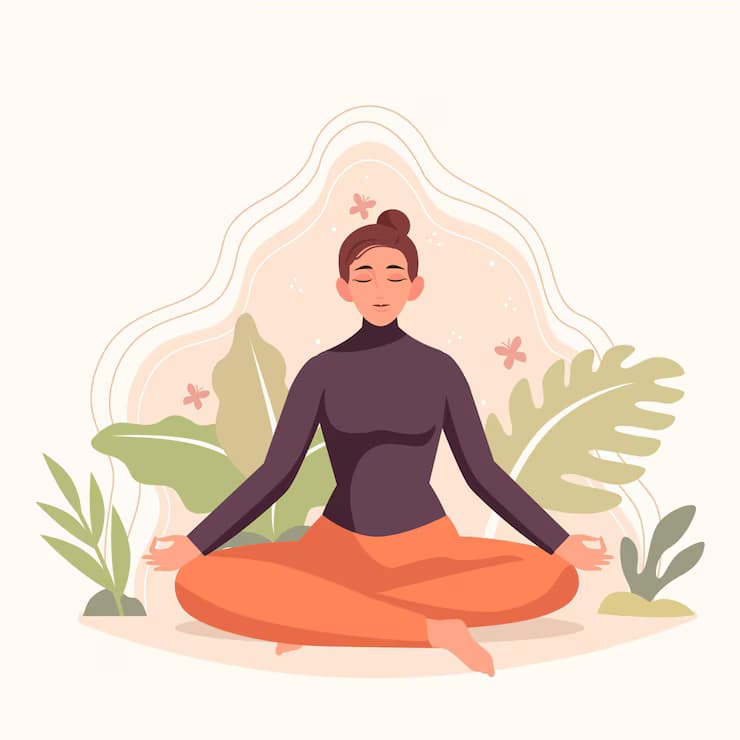
- **Mindfulness Practice:** Spending 10-20 minutes daily in meditation or quiet reflection to observe your thoughts and feelings without judgment.
- **Healthy Boundary Setting:** Learning to say "no" without guilt, protecting your energy, and communicating your needs clearly in relationships.
- **Intentional Connection:** Actively seeking out genuine, supportive relationships rather than isolating yourself or defaulting to superficial ties.
Your Evolving Journey: Embracing the Continuous Path of Discovery
Reaching one year sober is a seismic win. Seriously, pat yourself on the back. It’s not just about hitting a milestone; it’s about establishing a new baseline for your entire existence. But here’s the kicker: that year isn't the finish line. It's the launchpad, the moment you truly start to understand the continuous personal growth that life after alcohol demands. Your sobriety journey isn't a static achievement; it's a dynamic, evolving process of self-discovery. You’ve spent 365 days—or more—consciously choosing yourself, day in and day out. That builds incredible mental muscle. Now, the real work begins: embracing the profound presence of your authentic self. Who are you when you're not constantly battling old habits or numbing feelings? What does true joy feel like without a chemical assist? This phase is less about abstaining and more about actively creating the life you genuinely want. It means leaning into curiosity about who you're becoming, not just who you were. This continuous personal growth isn't always comfortable. It means facing new challenges with a clear head, developing deeper resilience, and maybe even letting go of parts of your identity that no longer serve you. But that's the gift. According to a 2022 Pew Research Center study, 68% of adults who prioritize personal growth report higher levels of life satisfaction. Your journey beyond the bottle isn't about absence; it's about abundance—the abundance of clarity, genuine connection, and an unshakeable sense of self. It requires courage to keep peeling back the layers, to keep asking the hard questions. Embrace these evolving versions of yourself. Each new challenge, each moment of introspection, each boundary you set, it's all part of forging a stronger, more vibrant you. The path of discovery never truly ends, and that's precisely where the freedom lies. Maybe the real question isn't how long you've been sober. It's how much you've been willing to grow.Frequently Asked Questions
What are the key health improvements observed after one year of sobriety?
After one year sober, you'll see significant improvements in liver function, sleep quality, and often a healthy weight reduction. Expect clearer skin and better mental clarity as your body fully heals from alcohol's toxins. Track your blood pressure and cholesterol; many see these normalize.
How do relationships typically change after a year of being alcohol-free?
Relationships often deepen and become more authentic after a year of sobriety, built on honesty and genuine connection. You'll likely find yourself shedding superficial friendships while strengthening bonds with those who support your new lifestyle. Actively communicate your needs and boundaries to foster healthier dynamics.
Is it common to still crave alcohol after one year of sobriety?
While less frequent and intense, some individuals do still experience occasional alcohol cravings even after a full year of sobriety, often triggered by stress or specific social situations. These are usually psychological "ghost cravings" rather than physical dependence, and they typically pass quickly. Develop a solid coping strategy like using the SoberBuddy app (free) or calling a sponsor immediately.
What psychological shifts can someone expect beyond the first year of sobriety?
Beyond the first year, you'll experience profound psychological growth, including enhanced emotional regulation, deeper self-awareness, and increased resilience in the face of life's challenges. Many report a stronger sense of purpose and genuine contentment as they navigate life without alcohol as a crutch. Consider ongoing therapy with a specialist like those found on BetterHelp (starts at $60/week) to continue processing underlying issues.












Responses (0 )