


The Invisible Erosion: How Inflation Devoured Middle-Class Savings
I was grabbing coffee with an old college buddy last week. He's a product lead at a major tech firm in London, pulling in £120k a year, but he looked exhausted. "My savings are gone," he told me, stirring his latte. "I don't know where it all went." He’s not alone. Plenty of ambitious professionals feel like their money just vanished over the past few years, despite working harder than ever. You're watching your investments stagnate, your grocery bills skyrocket, and your future seems further away. The culprit isn't just poor spending habits or bad investments. It's a silent, unseen force that’s quietly devoured middle-class savings since 2020: inflation. This article pulls back the curtain on exactly how that happened, revealing the specific mechanisms that eroded your purchasing power between 2020 and 2026. According to the Bureau of Labor Statistics, the Consumer Price Index (CPI) for all urban consumers jumped a staggering 19.2% from January 2020 to October 2023. That means your money buys nearly a fifth less than it did just three years ago. We'll show you the real numbers, the policies, and the hidden costs that hit your wallet without you even realizing it.Beyond the Headlines: The Silent Mechanics of Wealth Transfer
You probably felt your purchasing power shrink over the last few years, even if your paycheck went up. That's because official inflation numbers—like the Consumer Price Index (CPI)—often mask the true cost. CPI measures a basket of goods, but your personal basket might look very different. Maybe you don't buy new cars every year, but you absolutely buy groceries, pay rent, or cover childcare. Those categories saw price spikes far beyond the aggregate.
Think about housing. While the official CPI might show a moderate increase, average rents in major US cities like Austin or Miami jumped 20-30% between 2020 and 2022. That's a direct hit to your monthly budget, not some abstract economic data point. Your dollar simply buys less of what you actually need.
This brings us to the 'stealth tax' on your cash. If your money sits in a savings account earning 0.5% interest, and inflation runs at 5%, you’re losing 4.5% of its value every single year. It’s not a deduction on your pay stub, but it’s just as real. A $10,000 emergency fund turns into $9,550 in real purchasing power after one year of that scenario. Do that for a few years, and you understand why your savings feel thinner.
The biggest driver behind this quiet destruction? Monetary policy. For years, central banks like the Federal Reserve kept interest rates near zero and engaged in quantitative easing (QE). They essentially printed trillions of dollars and pumped them into the financial system. This wasn't free money for Main Street; it inflated asset prices. Stocks soared, real estate boomed, and anyone who owned assets saw their wealth grow on paper. But what about everyone else?
Wages, historically, don't keep pace with asset inflation. Someone who owns a portfolio of S&P 500 stocks saw average annual returns exceeding 10% for much of the last decade, according to NYU Stern data. Meanwhile, the median US household income barely budged in real terms for many years.
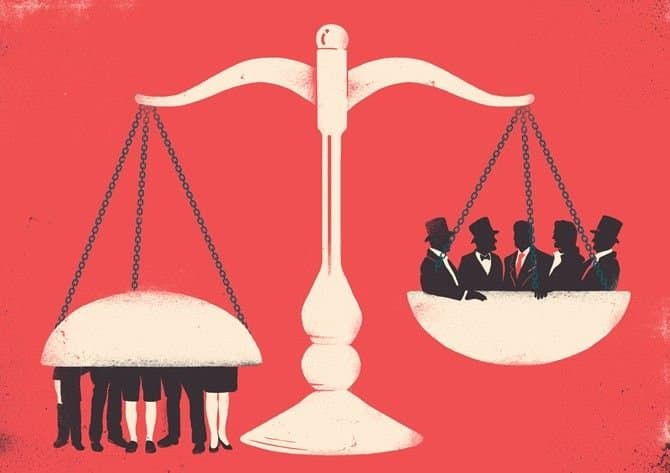
This creates a massive wealth transfer, silently shifting economic power from savers and wage earners to asset owners. It's why a 30-year-old trying to save for a down payment feels like they're running on a treadmill that's speeding up.
This mechanism disproportionately impacts fixed-income earners and those reliant on savings. Retirees living on a fixed pension or social security see their purchasing power erode with every price hike. Their income doesn’t adjust to the cost of gas, groceries, or healthcare. Similarly, young professionals diligently building a cash buffer for a future investment find their hard-earned dollars buying less property or fewer shares than they would have just a few years prior. What’s the point of saving if your savings are actively decaying?
According to the Bureau of Labor Statistics, the Consumer Price Index for all urban consumers (CPI-U) increased by 6.5% year-over-year in December 2022. While that number is specific, imagine that 6.5% eating away at your bank balance while your savings account offered a measly 0.1%. That's not just a statistic. That's a direct hit on your financial future, a stealth tax levied without a legislative vote, quietly eroding the foundation of middle-class security.
The Triple Threat: Housing, Retirement, and Daily Costs Under Siege
You probably felt the squeeze in your wallet long before the headlines screamed about inflation. It wasn't just gas prices or a higher grocery bill; it was the quiet, constant erosion of your big-picture financial goals. The middle class got hit from three sides: where they live, how they'll retire, and what they spend every single day.
First, housing. Good luck buying a home in any major city if you weren't already in the market by 2019. Mortgage rates jumped from under 3% in late 2020 to over 7% by late 2023 for a 30-year fixed loan. That means a $500,000 mortgage that used to cost you about $2,100/month now runs closer to $3,300/month—an extra $1,200 gone before you even turn on the lights. Renters didn't fare much better. Cities like Miami saw average rents jump 25% year-over-year in 2022. According to the National Association of Realtors, the median existing-home sale price in the US jumped 46% from $295,300 in Q1 2020 to $433,100 in Q1 2024. That's a massive wealth transfer, pricing out millions of potential first-time buyers.
Then there's retirement. You're diligently contributing to your 401k or ISA, watching the numbers climb, but what are those dollars actually buying you in the future? Inflation eats away at real returns. If your portfolio grows 8% but inflation runs at 6%, your real gain is only 2%. Over decades, that seemingly small difference compounds into hundreds of thousands of dollars in lost purchasing power. A 401k balance that looked strong at $500,000 in 2020 suddenly buys you the lifestyle of a $400,000 balance in 2024. Are you planning for retirement based on nominal dollars or what those dollars will actually be worth?
Finally, the relentless assault on daily costs. Your wages barely budged, or they climbed at 3-4% while the cost of essentials shot up by 10%, 15%, even 20%. Food prices, especially for staples like eggs and meat, saw some of the sharpest increases. Energy costs—heating your home, fueling your car—skyrocketed. Healthcare premiums continued their upward march. This isn't just an inconvenience; it's a fundamental shift in your disposable income. The average US household spent an additional $709 per month in 2022 just to maintain the same standard of living as 2020, according to Moody's Analytics. That's money that used to go into savings, investments, or discretionary spending.
This triple threat means a constant squeeze. You're paying more for housing, your future retirement funds are eroding in real terms, and your everyday expenses are swallowing your income. There's less money for that down payment, less for your investment portfolio, less for vacations, less for simply living. The result? A generation of ambitious professionals feeling like they're running harder just to stay in place. What does "financial security" even mean when the goalposts keep moving further away?
Building Financial Armor: Strategies for Resilience in an Inflated Economy
Inflation didn't just nibble at your savings; it took a bite out of your future. You can't change the past few years, but you can build a financial fortress against future assaults. This means shifting your mindset from passive saving to aggressive protection, understanding that cash parked in a low-yield account is actively losing value. Your goal isn't just to accumulate dollars, but to preserve their purchasing power. Traditional savings accounts are a losing battle. With inflation running at 3-5% annually, and most savings accounts offering less than 1%, you're guaranteed to lose ground. The smart move is to diversify beyond just cash. Consider inflation-hedging assets like Series I Savings Bonds from the US Treasury, which currently adjust their rate based on inflation. Or explore commodity ETFs like GLD for gold or USO for oil, which can offer a hedge when traditional markets falter. Real estate, even a REIT ETF like VNQ, can also provide a tangible asset link that often outpaces price increases. The most potent weapon against inflation is your income. If your salary isn't growing faster than the cost of living, you're falling behind. Don't wait for your annual review; be proactive. Learn new skills that demand higher pay — think advanced data analytics, AI prompt engineering, or specialized software development. According to Glassdoor data, the average base salary for a software engineer in the US increased by 7.1% from 2022 to 2023, reaching $127,000. That growth outpaced the 3.4% CPI inflation during the same period, allowing those professionals to gain real purchasing power. Are you investing in yourself as much as you invest in your portfolio? Here's how to boost your earning power:- Identify High-Demand Skills: Research job postings in your desired field. What tools or certifications keep appearing? Often, it's advanced Excel, Python, SQL, or AI tools like ChatGPT and Midjourney.
- Skill Up Relentlessly: Enroll in online courses from platforms like Coursera or Udemy. Many are affordable, under $50, and can be completed in a few weeks.
- Negotiate Your Worth: Once you have new skills, quantify their value. Use sites like Levels.fyi or Glassdoor to understand market rates for your updated profile. Don't be afraid to ask for a 10-15% raise if you've added significant value.
Beyond Cash: Investment Strategies That Fought Back
Your cash evaporated. But some assets actually fought back. When inflation rips through the economy, smart money doesn't hide under the mattress — it reallocates. We're talking tangible assets and companies with pricing power. These aren't speculative bets; they're proven strategies for preserving and even growing wealth when the dollar loses its punch. You need more than a savings account to win against an invisible enemy that eats 5-10% of your money year after year.
Real Estate: The Physical Shield
Real estate has always been a classic inflation hedge. It's a tangible asset; they aren't making more land. As construction costs rise with inflation, so does the value of existing properties. Rental income often increases alongside inflation, providing a growing cash flow stream to offset rising expenses.
You can buy physical property, like a duplex, or invest in Real Estate Investment Trusts (REITs) for passive exposure. A product manager in Austin bought a duplex in 2020 for $500,000. By 2024, it was worth $750,000, and his rents had gone up 30%. That's active inflation defense. According to the National Association of Realtors, the median existing-home price in the US hit an all-time high of $419,300 in May 2024. That's a 5.8% increase year-over-year, clearly demonstrating real estate's power as a long-term inflation hedge.
Commodities: Raw Power
Commodities are the raw materials that fuel the economy—oil, natural gas, gold, silver, copper. When inflation kicks in, the cost of these inputs typically rises first. Investing in commodities means you're betting on the price of those base materials to keep climbing.
Gold, often called an "inflation-proof investment," has historically held its value during periods of economic uncertainty. You can invest in physical gold, or more practically, through Exchange Traded Funds (ETFs) like SPDR Gold Shares (GLD). Don't ignore broader commodity funds either. They offer diversification across energy, metals, and agriculture, protecting your purchasing power as input costs for everything else climb.
Dividend Stocks and Value Investing: Pricing Power Plays
Forget growth stocks that depend on future earnings. During inflation, you want companies that have pricing power—they can raise prices without losing customers. Think consumer staples, utilities, or established tech giants with strong moats. These companies often pay consistent, growing dividends.
Dividend investing becomes a powerful tool. The income you get from these dividends can help offset the rising cost of living. Look for companies with a history of increasing their dividends faster than inflation. These are typically stable, well-managed businesses with strong balance sheets that can weather economic storms and continue to reward shareholders.
Inflation-Protected Securities (TIPS): The Direct Bet
If you want a direct hedge against inflation, Treasury Inflation-Protected Securities (TIPS) are your answer. The principal value of TIPS adjusts with changes in the Consumer Price Index (CPI). When inflation rises, your principal goes up, and so do your interest payments. It's built-in protection.
You can buy TIPS directly from the U.S. Treasury through TreasuryDirect or via mutual funds and ETFs. While their nominal yields might seem lower than traditional bonds, the inflation adjustment makes them valuable for preserving capital's purchasing power. These are genuine inflation-proof investments, perfect for the fixed-income portion of your portfolio.
Re-evaluating Bond Portfolios: Shortening the Leash
Traditional long-duration bonds got crushed when interest rates rose to combat inflation. Fixed-rate bonds lose value as new bonds offer higher yields. This is a critical lesson from the last few years.
Shift your bond strategy. Focus on shorter-duration bonds, which are less sensitive to interest rate hikes. Consider floating-rate notes, where the interest payments adjust periodically based on a benchmark rate — they actually benefit from rising rates. Don't just hold bonds; actively manage them to ensure they're providing protection, not becoming a drag on your portfolio. Real assets and short-term fixed income are your friends here.
These aren't just defensive moves. They're offensive plays designed to ensure your purchasing power doesn't get silently drained. Your financial future depends on understanding how to make your money work harder than inflation.
The Policy Blind Spots: How Economic Decisions Fueled the Erosion
Everyone blamed supply chains for inflation. Sure, bottlenecks played a role, but that’s only half the story. The truth is, government spending and central bank policies poured gasoline on a smoldering fire, quietly destroying savings for millions of families.
Think back to 2020. Governments worldwide unleashed massive stimulus packages to cushion the pandemic's economic blow. In the US, the CARES Act alone injected trillions. That cash, while necessary for some, inflated demand far beyond what suddenly constrained supply chains could handle. According to the Federal Reserve Bank of St. Louis, the M2 money supply—a key measure of circulating money—surged by over 40% between early 2020 and early 2022. More money chasing fewer goods always leads to higher prices. This isn't theoretical; it’s basic economics.
Then there's the central bank's delayed response. For too long, the Federal Reserve insisted inflation was "transitory"—a temporary blip. They kept interest rates near zero and continued buying bonds, effectively flooding the market with more liquidity even as prices climbed. When US inflation hit 5.4% in July 2021, the Fed was still buying $120 billion in bonds monthly. This inaction was a policy blind spot, plain and simple.
Did policymakers genuinely believe inflation would just magically disappear? Their hesitation cost regular people real money. By the time they started raising rates aggressively in 2022, the damage was already done. Mortgage rates soared, making homeownership even less attainable, and the cost of capital for businesses increased, which often gets passed directly to consumers.
Global supply chain disruptions certainly amplified these pressures. Factory shutdowns in China, port congestion in Los Angeles, and the Suez Canal blockage weren't minor inconveniences. They choked off the flow of goods, creating scarcity. But the sheer volume of newly created money meant consumers had the means to bid up prices for whatever was available, turning a supply shock into a full-blown inflationary spiral.
This lack of strong competition meant less incentive to absorb costs and more freedom to raise prices, especially when demand was artificially high.
It’s not just about one misstep; it’s a confluence of decisions. Massive government spending, a slow-footed central bank, and consolidated markets created a perfect storm. The average person, diligently saving in a low-interest account, watched their purchasing power erode week by week, year by year. They didn't see it happen in one dramatic crash. They just noticed their weekly grocery bill jumped from $150 to $200, and their savings account balance bought less and less. That's the quiet destruction of wealth in action.
Reclaiming Your Financial Future: A New Era of Vigilance
The quiet erosion of middle-class savings wasn't a sudden crash—it was a slow, grinding loss of purchasing power, often hidden by nominal gains. We saw how inflation, fueled by policy blind spots and delayed responses, ate away at everything from your daily grocery bill to your 401k. This wasn't just about spending too much; it was about the dollar itself losing its punch. According to the Federal Reserve's 2024 Survey of Consumer Finances, 37% of Americans can't cover a $400 emergency, a direct symptom of this silent financial decay.
Understanding these inflation lessons is your first line of defense. Proactive financial planning isn't optional anymore; it's a necessity. You must look beyond traditional metrics and understand the real, inflation-adjusted returns on your investments. It means actively seeking income growth and diversifying into assets that actually fight back.
This new era demands constant vigilance. Adaptability isn't a buzzword—it's your best tool against economic forces beyond your control.
Maybe the real question isn't how to save more. It's why our system keeps quietly draining what we have.
Frequently Asked Questions
How did inflation specifically affect retirement accounts for the middle class from 2020-2026?
Inflation significantly eroded the purchasing power of middle-class retirement accounts, particularly for those with heavy allocations to fixed-income or cash. The real return on a typical 60/40 portfolio dropped, effectively shrinking future spending power by 10-20% for many by 2026. Diversify into inflation-hedging assets like Series I Savings Bonds or REITs to protect your nest egg.
What asset classes proved most resilient or vulnerable during the recent inflationary period?
Commodities, real estate, and Treasury Inflation-Protected Securities (TIPS) proved most resilient during the recent inflationary period, often outperforming traditional equity and bond markets. Long-duration bonds and cash were highly vulnerable, seeing their real value decline significantly. Consider a 5-10% allocation to real assets or inflation-indexed bonds via ETFs like Schwab U.S. TIPS ETF (SCHP) or Invesco DB Commodity Index Tracking Fund (DBC).
Were there specific government or central bank policies that exacerbated the erosion of middle-class savings?
Yes, aggressive fiscal spending and highly accommodative monetary policies significantly exacerbated the erosion of middle-class savings. The Federal Reserve's quantitative easing and near-zero interest rates, alongside substantial government stimulus packages, injected trillions into the economy, directly fueling inflation. Monitor the Fed's target interest rate and government debt-to-GDP ratios for early warning signs.
What key economic indicators should individuals monitor to anticipate future inflation threats to their savings?
Individuals should closely monitor the Consumer Price Index (CPI), Producer Price Index (PPI), and average hourly earnings to anticipate future inflation threats. Also, track the M2 money supply and the 10-year Treasury yield, as sustained increases often precede higher inflation. A consistent CPI rise above 2.5% annually, especially if your wage growth lags, is a critical red flag for your savings.













Responses (0 )