


The Unseen Burnout: Why Endless Productivity Cycles Lead to Philosophical Quest
My coworker, Alex, used to track every minute of his day. He woke at 5 AM, meditated, journaled, hit the gym, prepped 5 days of meals, then blasted through 12 hours of work using the Pomodoro technique. He even optimized his laundry. Yet, every Monday, he looked more drained, more distant. He’d meticulously "crush" his to-do list, only to feel empty by Friday. That's the dirty secret of modern productivity: chasing endless optimization often leaves you feeling more inadequate, not less. This section explains why that cycle fails and how it pushes ambitious minds towards something deeper. You'll get clarity on why your drive for efficiency hits a wall, and where to look next for genuine fulfillment. According to a 2023 Gallup report, only 30% of US employees feel engaged at work, despite the endless 'optimization' strategies pushed on them. This isn't a lack of discipline. It's productivity fatigue, a pervasive modern angst that whispers, "Is this all there is?" We've streamlined our mornings, automated our finances, and gamified our workflows, but the underlying meaning crisis persists. Quick-fix productivity hacks feel hollow when your core purpose is missing. We’re left with efficient emptiness, prompting a natural, almost desperate, pivot towards philosophy for answers that task lists simply can't provide.Beyond the Checklist: The Core Disconnect of Modern Productivity
The problem with chasing peak productivity isn't that it fails; it's that it succeeds at the wrong things. We've built an entire culture around 'doing' more, faster, and more efficiently. Our calendars are packed, our inboxes are (briefly) empty, and our to-do lists shrink—but rarely do we ask *why* we're doing any of it. This relentless focus on output over insight leaves a hollow ache, a profound disconnect that no app or system can fix. It’s the difference between a high-performing machine and a well-lived life. Think of the product manager in San Francisco, let's call him Leo. He wakes at 5 AM, meditates for 10 minutes, downs his cold brew, and dives into an optimized day. Every minute is accounted for, every task prioritized. He’s crushing his OKRs, his team hits aggressive deadlines, and his annual review is always stellar. He uses Notion, Asana, and Slack with the precision of a surgeon. Yet, at 10 PM, staring at his perfectly clean apartment, a quiet dread settles in. He’s optimized his life into a series of predictable, measurable boxes, but the feeling of meaning, of real connection, remains elusive. He's achieving superficial success, but at what cost to his soul? This constant optimization creates an illusion of control. We believe that if we just find the right framework or the perfect morning routine, we'll finally master life's chaos. But life isn't a spreadsheet. It's messy, unpredictable, and often doesn't care about your meticulously planned sprints. The anxiety of constant optimization becomes its own trap. We spend more time perfecting the system than actually engaging with the world, leading to a constant low-grade stress that productivity gurus rarely mention. According to a 2022 study by the American Psychological Association, 77% of adults reported physical or psychological symptoms of stress, often exacerbated by the pressure to constantly perform and optimize. Neglecting our inner life for external metrics leads to a kind of existential emptiness. When your self-worth is tied to an ever-growing list of accomplishments, what happens when the next goal isn't immediately obvious, or worse, when you achieve everything and still feel unfulfilled? Productivity culture rarely encourages introspection, values clarification, or grappling with fundamental questions about purpose. It’s about more, not meaning. It's about how many emails you sent, not whether those emails contributed to something you genuinely care about. The core disconnect lies in this fundamental mismatch: modern productivity prioritizes quantifiable output while intrinsic human needs—purpose, connection, self-knowledge, and a sense of belonging—are relegated to "soft skills" or dismissed entirely. We chase inbox zero but ignore the void within. We track our steps but neglect the path we're actually on. Philosophy, on the other hand, starts with the questions productivity avoids. It asks: *Why* are you doing this? *Who* are you becoming? And what does a truly good life even look like?The Ancient Antidote: How Philosophy Answers Modern Despair
That gnawing emptiness you feel, even after crushing your to-do list? It's not a personal failing. It's the sound of a system designed for output, not meaning. Modern productivity promises control and efficiency, but it rarely delivers peace. That's where philosophy steps in, offering not just a different perspective, but a fundamentally different operating system for your life. Philosophy’s enduring appeal lies in its unapologetic focus on the big questions: what matters, how to live well, and what constitutes a good life. It shifts the gaze from "how much can I get done?" to "what kind of person do I want to be?" This isn't about hacks; it's about values, wisdom, and the bedrock of meaning. Think about Stoicism, for example. It teaches you to distinguish between what you control and what you don't. You can't control the market crash or your boss's mood, but you absolutely control your response. This isn't some woo-woo mindset trick; it's a practical framework for cultivating resilience and achieving genuine inner peace, regardless of external chaos. A friend of mine, a senior product manager in London, used to get visibly stressed every time a sprint went off track. He started reading Marcus Aurelius and realized his anxiety came from trying to control things outside his remit. He learned to focus his energy where it actually made a difference, and his team noticed the shift. Then there's Existentialism, which stares into the void of an indifferent universe and dares you to create your own purpose. It acknowledges the anxiety of freedom — the terrifying responsibility of defining yourself — but also the profound liberation it offers. You're not just a cog in a corporate machine; you're the architect of your own meaning. This perspective gives you an entirely new lens through which to view your career, your relationships, and your daily actions. These ancient schools aren't dusty academic texts; they're blueprints for a purpose-driven life. They help you build self-awareness, not just self-optimization. According to a 2023 Gallup report, only 32% of US employees are engaged in their work, highlighting a widespread disconnect from purpose. This isn't because people aren't working hard enough. It's because the "work hard" mantra often lacks the "why." Philosophy provides that missing "why." Virtue ethics, for instance, asks you to consider what virtues you want to embody—honesty, courage, integrity. Then, it encourages you to align your daily actions with those virtues. It’s a long-term play, a continuous process of becoming, vastly different from the short-term dopamine hit of clearing your inbox. Productivity offers temporary boosts. Philosophy offers a sustainable framework for being. It makes you ask: are these tasks moving me towards the person I want to be, or just filling my calendar? Productivity promises faster output. Philosophy offers a richer input. One gets you more things done; the other helps you decide which things are worth doing at all.Integrating Wisdom: Practical Philosophical Practices for Daily Life
You don't need to read Plato for two years to start living more philosophically. That's a common misconception. Applied philosophy isn't about memorizing ancient texts; it's about a toolkit for practical wisdom you can use today, right now, to cut through the noise.
Think of it as an operating system upgrade for your brain. It helps you make better decisions, manage your attention, and understand what truly matters. We're talking less about productivity hacks and more about building resilience.
Reflection Through Journaling
Most people journal like they're writing a diary. They just dump thoughts onto the page. That's fine, but it's not applied philosophy.
To use journaling effectively, adopt a structured approach. Try Stoic morning pages: before your phone lights up, write down what you anticipate will challenge you today. What worries do you have? What opportunities? Then, how will you approach them with virtue — courage, temperance, justice, wisdom?
In the evening, reflect on the day. Where did you act well? Where did you fall short? What did you learn? This isn't just catharsis; it's a daily audit of your ethical decision-making. A friend of mine, a software engineer in San Francisco, started this practice and told me he feels 20% calmer before big meetings just from this morning prep. It works.
Mindful Presence and Observation
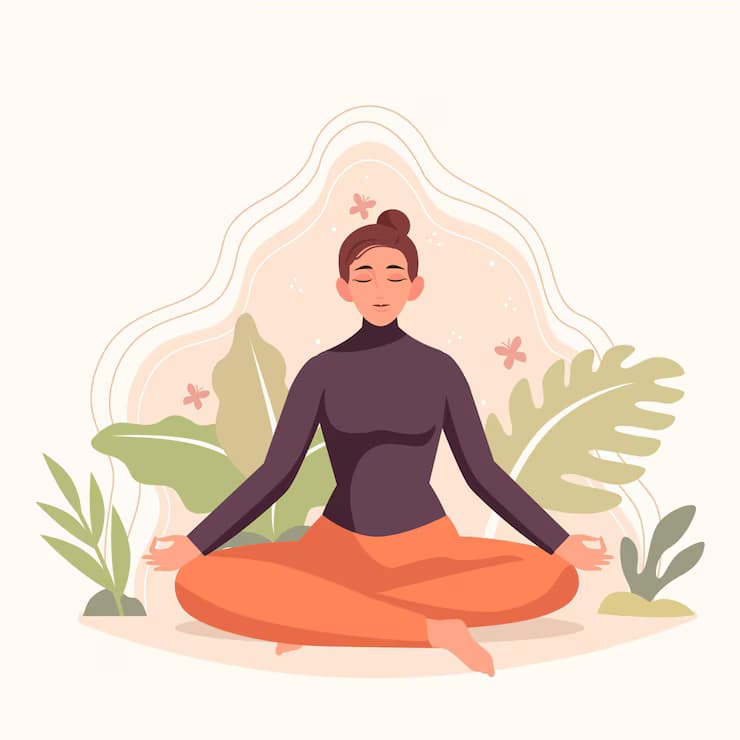
We're constantly bombarded. Notifications, emails, an endless feed. This external chaos bleeds into internal chaos. Eastern philosophy, particularly Buddhism, offers clear antidotes: mindful living and observation. It’s not about sitting on a cushion for an hour every morning — though that helps.
It's about small, deliberate acts of presence. When you drink your coffee, just drink your coffee. Taste it. Feel the mug. Don't scroll. When you walk to your car, notice the sounds, the smells, the temperature. Focus on your breath for 60 seconds before a difficult conversation. Research compiled by Harvard Medical School suggests that mindfulness meditation can reduce stress hormones like cortisol by an average of 10-15%, making you calmer and clearer.
This isn't just about feeling good; it's about reclaiming your attention, the most valuable currency you own. Can you really make good decisions if you're never fully present?
Socratic Questioning for Decisions
We often make decisions based on gut feelings or what someone else tells us. Socrates taught us to question everything. This reflection exercise is powerful for problem-solving and ethical dilemmas.
Facing a tough choice at work? Don't just pick an option. Ask yourself:
- What are my underlying assumptions about this situation? Are they true?
- What are the strongest arguments against my preferred option?
- What are the long-term consequences of each choice, not just the immediate ones?
- If a respected mentor were watching, would they approve of my reasoning?
Boundaries Based on Values
Productivity culture often tells you to say yes to more, optimize more, squeeze more in. Philosophy asks: what are you saying yes to, and why? This comes down to your deeply held values.
Take an hour this week to define your top three core values. Are they integrity, family, and growth? Innovation, autonomy, and impact? Once you have them, every decision about your time and energy becomes clearer. If a request doesn't align with those values, the answer is a straightforward no. No guilt. No lengthy explanations.
You stop prioritizing external demands and start prioritizing your actual life. It's a radical shift that gives you back control. Why let someone else dictate your schedule when you haven't even dictated your own principles?
Reclaiming Your Time and Mind: Shifting from Output to Outcome
The endless chase for higher output is a treadmill that goes nowhere. You hit your quarterly numbers, launch that new feature, or close that big deal, and for a fleeting moment, you feel a jolt. Then it's back to the next goal. This isn't success; it's a dopamine loop designed to keep you running. True long-term fulfillment comes when you redefine what "winning" actually means. Redefining success starts with ditching the scoreboard. Stop measuring your worth by deliverables or LinkedIn endorsements. Instead, ask yourself: Does this work align with my values? Does it bring me mental clarity, or just more noise? We're so conditioned to see discomfort as a problem to fix, a bug in the system. But growth rarely happens in comfort zones. Embrace the uncertainty, the moments where you don't have a clear next step. That's where you learn. Consider a senior product manager I know, Sarah — she's based in Toronto. For years, her calendar was a battlefield: 12-hour days, back-to-back meetings, every minute accounted for. She shipped products on time, hit every KPI, but felt empty. Her "success" was purely quantitative. She eventually burned out and took a six-month sabbatical. When she returned, she started blocking off two hours every Tuesday morning — no meetings, no email, just a blank page to think. She used that time to question if the products they were building actually solved a real problem, or if they were just chasing market trends. She started pushing back on projects that didn't align with her team's core mission, even if they looked "good" on a roadmap. Her output dropped initially, yes, but the *quality* of her team's work, their overall impact, and her personal sense of purpose skyrocketed. She shifted from optimizing tasks to optimizing impact. This is the power of intentional 'unproductivity'. It's not about slacking off; it's about making space for contemplation. It’s about creating moments for slow living, for simply *being* rather than constantly *doing*. What would happen if you scheduled an hour a day just to think, to read, to walk, without any specific goal? According to a 2023 report from the American Psychological Association, 77% of workers reported experiencing work-related stress in the past month. Much of that stress stems from the relentless pressure to produce. Allowing yourself to disengage, to actively choose non-action, is a radical act in a culture obsessed with activity. The biggest hurdle? Letting go of external expectations. Your boss, your peers, social media — they all have an idea of what your success should look like. But that's their definition, not yours. Internal alignment means tuning into your own compass, deciding what truly matters, and building your life around that. It's about intentional living, choosing purpose over pace. When you stop chasing someone else's idea of a perfect career or a perfect life, you suddenly find yourself with more time, more energy, and a deeper sense of direction. Isn't that what you were trying to "optimize" for all along?The 'Philosophical Productivity' Trap: Avoiding Superficial Wisdom
You probably swapped your productivity guru for a philosophy guru. It’s an easy move. One minute you’re optimizing your inbox, the next you’re quoting Seneca on Instagram. But that’s the trap: trading one set of quick fixes for another. True philosophical development isn't about collecting clever quotes or intellectualizing profound concepts without digging in.
I watched a friend, a senior manager at a Toronto tech firm, devour every book on Stoicism she could find. She could recite Epictetus verbatim. Yet, she still snapped at her team under pressure and raged at traffic. Her problem wasn't a lack of knowledge; it was a lack of authentic engagement. She gained intellectual virtue, sure, but sidestepped the painful, practical application of those ideas in her actual life.
This isn't unique. Many fall into what I call "philosophical tourism"—visiting the ideas but never living there. They treat philosophy like another self-help hack, expecting instant calm or wisdom from a few chapters. It’s a shallow philosophy that promises depth but delivers only a veneer. This often blends into a kind of toxic positivity, where difficult emotions are dismissed as "negative energy" rather than critically examined through a philosophical lens.
Real wisdom demands discomfort. It means confronting your fears, examining your biases, and sitting with uncertainty—not just reading about it. According to a 2022 survey by the American Psychological Association, 68% of adults feel their stress has increased since the pandemic. Simply adding a daily dose of Marcus Aurelius won't fix that if you're not doing the hard work of introspection and behavioral change.
Think about it. You wouldn't expect to build muscle by just reading weightlifting manuals. You need to lift the damn weights. The same applies to cultivating a philosophical mindset. You need to journal, to question your automatic reactions, to deliberately practice empathy or resilience when it’s hard. It means taking those ancient insights and forcing them into the messy reality of your Tuesdays and Thursdays.
Avoiding these self-help pitfalls requires rigorous critical thinking. Don't just absorb; interrogate. Ask yourself if you’re genuinely integrating these ideas into your decisions and reactions, or if you’re just curating an enlightened persona. Is this making you more resilient, or just better at rationalizing your existing habits?
Beyond the Grind: Cultivating a Life of Deep Resonance
The constant chase for more output leaves most ambitious professionals feeling empty. You can optimize every second of your day, hit every KPI, and still stare at your ceiling at 3 AM wondering, "Is this all there is?" That nagging feeling isn't a glitch; it’s a signal.
True, lasting fulfillment doesn't come from another productivity hack. It comes from aligning your daily actions with a deeply considered personal philosophy. This isn't about working harder; it's about working on what matters, informed by what you believe makes life meaningful.
Philosophy offers the roadmap for a meaningful existence, not just an efficient one. It forces you to define your values, understand your purpose, and build a life that resonates deeply. According to a 2023 Gallup report, only 33% of employees worldwide feel engaged at work, a phenomenon costing the global economy trillions annually in lost productivity and human potential. That's a direct consequence of chasing metrics over meaning.
Embrace a life of purpose over mere efficiency. Focus on creating integrated well-being, where your career, relationships, and personal growth are all driven by internal conviction, not external demands. When you stop asking "How can I do more?" and start asking "What should I do at all?", you begin to build a life that actually matters.
Maybe the real question isn't how to optimize every hour. It's what kind of life is worth living in the first place.
Frequently Asked Questions
What's the main difference between a productivity mindset and a philosophical approach to life?
A productivity mindset focuses on optimizing *how* you accomplish tasks, aiming for maximum output and efficiency. A philosophical approach, however, questions *why* you're doing those tasks, seeking to align your efforts with deeper meaning and personal values.
Can philosophy really make me more effective without traditional productivity hacks?
Yes, philosophy significantly boosts effectiveness by clarifying your core values and purpose, which naturally prioritizes your efforts without needing specific hacks. Understanding your "why" helps you inherently prune low-value tasks and focus on what truly matters. For example, Stoicism's emphasis on distinguishing controllable from uncontrollable reduces wasted mental energy.
Which philosophical schools are most relevant for modern life challenges?
Stoicism, Existentialism, and Pragmatism offer highly relevant frameworks for navigating modern life's complexities. Stoicism builds emotional resilience and focuses on what's controllable; Existentialism empowers you to forge personal meaning; and Pragmatism prioritizes practical, results-driven action. Start with Seneca's "Letters from a Stoic" for actionable insights on managing adversity.
How can I start integrating philosophical thinking into my daily routine?
Start integrating philosophical thinking by dedicating 10-15 minutes each morning to focused reflection or journaling. Use this time to question your motivations, apply a concept like the Stoic Dichotomy of Control to a current challenge, or read a passage from Marcus Aurelius's "Meditations." This consistent, short practice builds deeper self-awareness and intentionality.












Responses (0 )